Developed an application that changes warehouse interaction

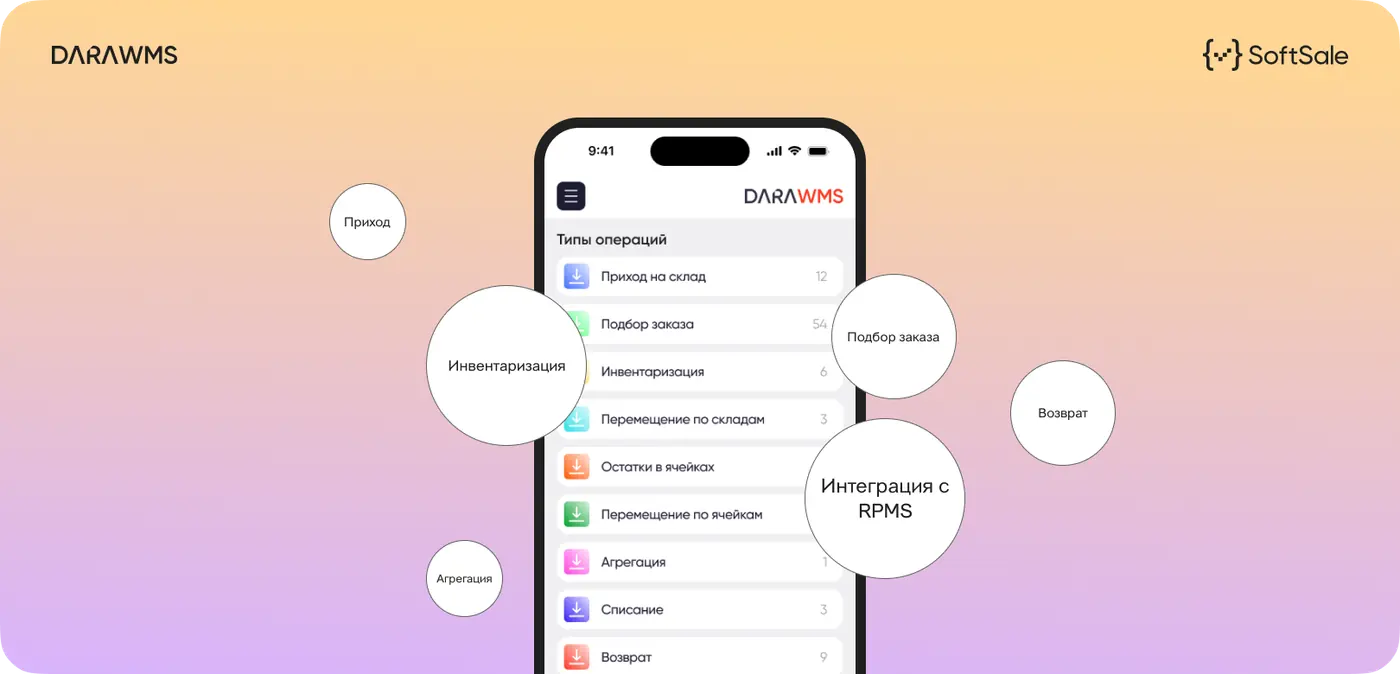
We developed an application for our colleagues from Dara Engineering. We implemented the logic of WMS integration with RPMS (Robot Park Management System) so warehouse robots always know where goods are located.

DaraWMS project stages

01

Develop a WMS application with integration capability for RPMS (Robot Park Management System)

The Dara Engineering team came to us with the idea of an application that allows warehouse robots to understand which goods are located where and which racks they are linked to. The concept and basic functionality had already been thought through.

We had to join the project and help with the technical implementation of the solutions. Most importantly, we had to jointly develop a mechanism that warehouse robots could correctly and continuously interpret.
DaraWMS
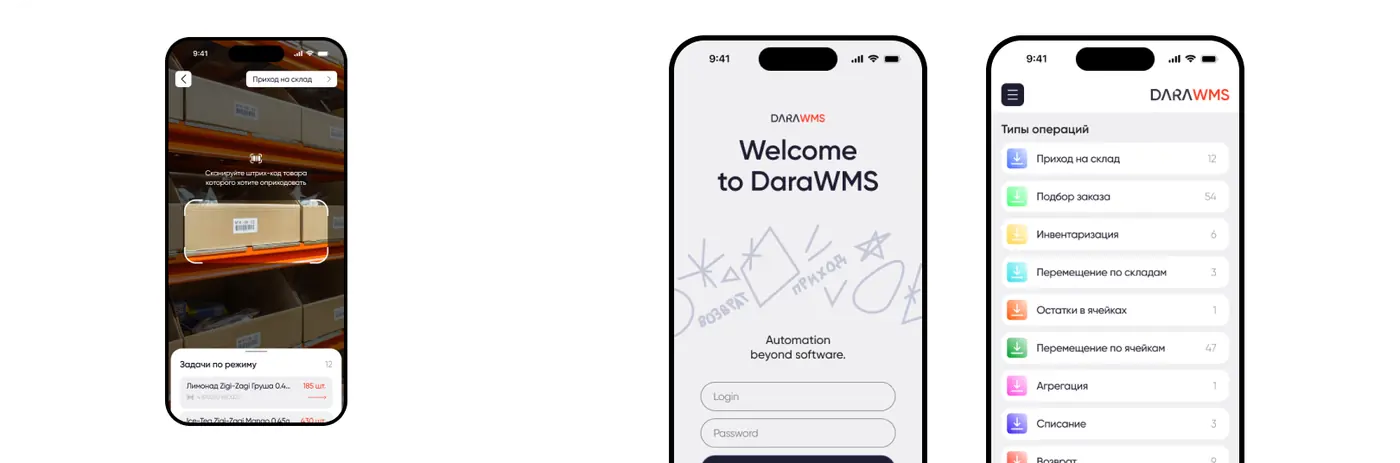
A warehouse employee only needs to say what has to be done. The robot and integration handle everything else.

02

Created an algorithm that analyzes orders and tells RPMS where to place and retrieve goods

When entering DaraWMS, the employee marks which tasks need to be completed. The system then automatically analyzes data based on previous orders and determines where to place goods and where to retrieve them from.

The algorithm considers activity and operation history, then selects optimal locations and racks. As a result, the robot fleet’s capabilities are effectively matched with warehouse space parameters. This logic is the “magic” hidden under the application’s hood.

03

Conducted a technical review of design layouts and assessed feasibility of the solutions.

Conceptually, the visual part of the project was on the Dara Engineering team’s side. They thought through user scenarios and the application identity, preparing an unconventional but clear and lively design with emotional accents.

We acted as technical experts and supported the process at the review level. Together with Dara Engineering, we worked through implementation of key features, algorithms and animations.

We paid special attention to making sure the design met iOS and Android platform requirements and that the final application displayed correctly and worked stably.

DaraWMS

04

The key feature of DaraWMS is demand forecasting: an algorithm that knows which goods will be picked and when

DaraWMS determines when an item will be needed for picking already at the stage of placing it on a rack. This is done through an algorithm that analyzes historical operations for each SKU, considers the type and characteristics of the product and forecasts demand based on that data.

Based on the forecast, the system sends commands to RPMS: if an item is likely to be needed soon, robots do not move the corresponding rack deep into the warehouse. This allows placement to be optimized in advance and speeds up later picking operations.

CTO SoftSale

Maksat Kantai

CTO “SoftSale”

On the project, it was important for us not just to connect WMS with robots, but to make everything work stably and predictably in real warehouse conditions.

The main focus was algorithms. They analyze product history, make forecasts and send commands to robots based on them. There is no room for error: if the logic works incorrectly, it immediately affects the efficiency of the whole warehouse.

That is why we pay a lot of attention to scenario testing and how the system behaves under load. It is important to us that it works not only in theory, but really withstands operations and growth in the number of robots. In the end, we assemble a system that makes decisions based on data, not randomly, and does it stably every day.

Shall we discuss your project?

What do you need?